Investment Casting
Complete Process Guide, Tolerances, and Alloys
Investment casting, also known as lost wax casting, is a precision metal forming process that produces complex, tight-tolerance components in a wide range of alloys. Molten metal is poured into a ceramic shell built around a wax mold. When the shell is removed,the result is a part that is near net shape and requires minimal secondary machining.
Milwaukee Precision Casting, Inc. has manufactured precision investment castings from our Milwaukee, Wisconsin facility since 1993. We are ISO 9001:2015 certified, AMS 2175 compliant, and ITAR registered. We cast over 100 alloys for customers in medical, defense, oil & gas, food processing, agriculture, and other industries.
What is Investment Casting?
Built for Complex Geometry, Close Tolerances, and Smooth Finish
Investment casting is a manufacturing process in which a wax replica of the desired part is coated in layers of ceramic slurry and sand until a rigid shell forms around it. The wax is then melted away, hence the term “lost wax”, leaving a hollow ceramic cavity.
Molten metal is poured into that cavity, the shell is broken away after solidification, and the cast part is finished to specification.
The term “investment” derives from the Latin “investire”, meaning to clothe or surround, a reference to the ceramic shell encasing the wax model. The lost wax technique dates back over 5,000 years, and it was first used for jewelry and sculpture.
Its industrial application grew from the post-WWII period onward, and today investment casting is the process of choice wherever a part requires complex geometry, close tolerances, and a smooth as-cast surface finish.
Why Choose Investment Casting?
Why Manufacturers Use
Investment Casting
Investment casting is the most cost-effective process for small-to-
medium metal parts that require complex geometry, tight
tolerances, or a high-quality surface finish straight from the mold.

The part has internal cavities, undercuts, or fine detail that would be prohibitively expensive to machine.
Tolerances in the ±0.005 in/in range are required without extensive post-cast machining.
Material properties demand an alloy, such as 17-4 PH stainless or cobalt, that is difficult to machine from bar stock.
Production volumes range from low-quantity prototypes through high-volume runs.
When it’s important to minimize material waste, because investment casting generates far less scrap than subtractive processes.
A smooth as-cast surface finish (125 RMS standard at MPC) is acceptable or preferable to a machined surface.
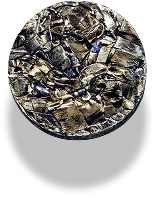
Stainless Steel
Corrosion resistance for industrial, marine, and food-grade environments
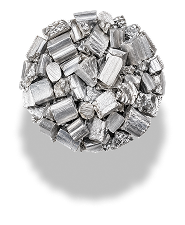
Aluminium Casting
Lightweight components where strength-to-weight balance is important.
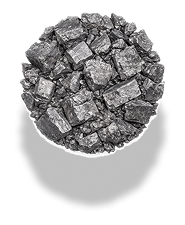
Carbon Steel Casting
Durable cast components for strength-focused applications.
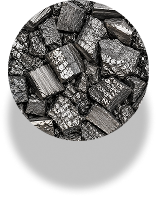
Tool Steel Casting
Wear-resistant castings for tooling and high-stress use cases.
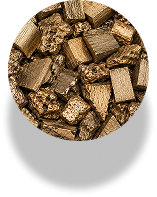
Bronze Casting
Useful for bearing, wear, and corrosion-resistance requirements.
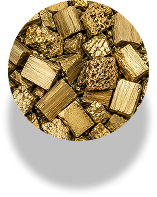
Brass Casting
Precision brass and copper alloy components for specialized needs.
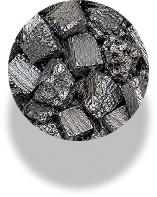
Cobalt Casting
High-performance alloy casting for demanding operating conditions.
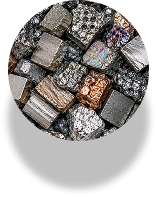
Specialty Metals
Custom alloy support based on part requirements and application demands.
Process Comparison
Investment Casting vs Other
Manufacturing Methods
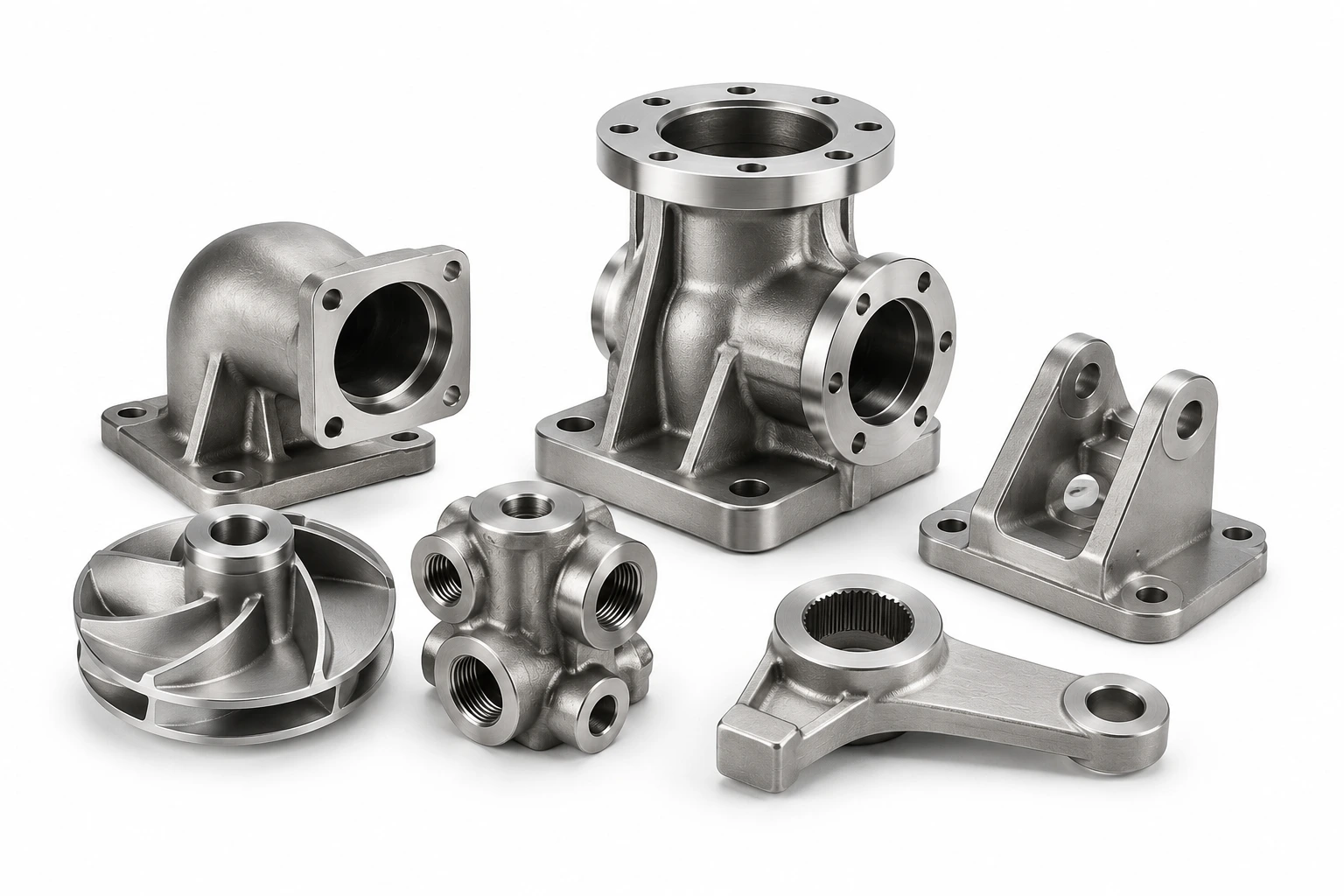

Investment Casting
±0.005 in/in tolerance · 100–125 RMS finish · 100+ alloys · low to high volume · minimal material waste · low to moderate tooling cost
Compared With Sand Casting
±0.030–0.060 in/in tolerance · 250–500 RMS finish · broad alloy range · low to medium volume · lower tooling cost · limited geometry complexity
Compared With Die Casting
±0.002–0.005 in/in tolerance · 64–125 RMS finish · primarily aluminum and zinc · high volume only · high tooling cost
Compared With Forging & Machining
±0.001 in/in or better · 32–125 RMS · broad alloy range · best for low volume or one-offs · no tooling cost but high material waste and high per-part cost
Note: Die casting achieves comparable tolerances to investment casting but is limited to aluminum and zinc alloys and requires expensive hardened steel tooling. Investment casting supports a vastly wider alloy range with lower tooling costs.
Wax Pattern Injection
High-temperature wax is injected into a precision aluminum die tool to produce an exact wax replica of the finished part. MPC produces wax pattern from a few grams up to 40 pounds. For prototypes or low-volume parts, 3D-printed wax patterns can replace hard tooling, allowing parts to be produced in days.
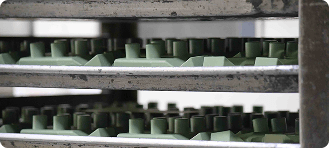
Assembly
Individual wax patterns are attached to a central wax gating system called a tree or runner, allowing multiple parts to be cast simultaneously. Gate placement is engineered to control metal flow and minimize defects.
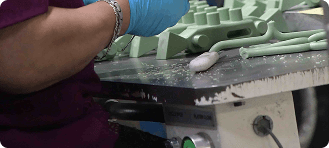
Building the Ceramic Shell
The wax assembly is dipped repeatedly into ceramic slurry and coated with fine refractory sand between each dip. MPC’s robotic shell-dipping system ensures consistent layer thickness and shorter drying times between coats. The finished shell is typically 3/8 inch thick.
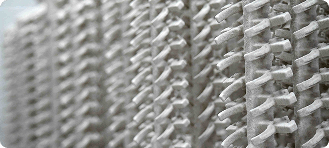
Dewaxing
The ceramic shell is placed in an autoclave or flash-fire furnace. The wax melts and drains out, leaving a hollow ceramic cavity that precisely replicates the original wax pattern.”
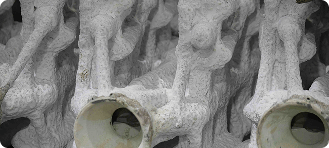
Pouring and Solidification
The ceramic shell is first preheated to prevent thermal shock. Then, the selected molten alloy is poured into the cavity. MPC casts stainless steel, aluminum, carbon steel, cobalt, tool steel, brass, bronze, and specialty metals. The metal solidifies in the precise shape of the original wax pattern.
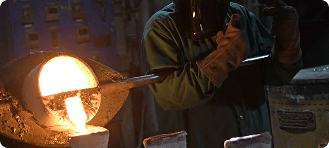
Shell Removal and Cutoff
After the metal solidifies and cools, the ceramic shell is broken away by mechanical vibration or waterjet. Individual castings are then cut from the gating tree using a band saw or abrasive cutoff wheel.
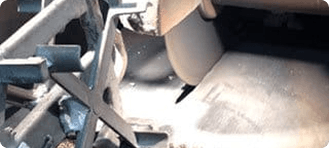
Finishing and Secondary Services
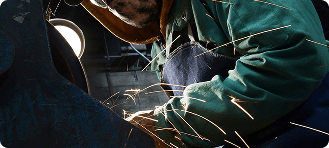
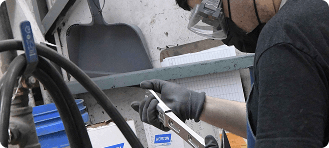
Gates are ground to be flush, and the casting is inspected against the specified drawing dimensions. Secondary operations such as heat treating, CNC machining, passivation, electropolishing, NDT, laser etching, or coating are performed as required. MPC coordinates all secondary services, including liaising with our local vendor network.
Quality Inspection and Shipping
Every part is measured and inspected using calibrated gauging, CMM, or other advanced metrology tools per the customer’s drawing and our ISO 9001:2015 quality system. We apply AMS 2175 inspection criteria where specified. Finally, we package and ship the approved parts with full documentation.
MPC Capabilities and Specifications
| Feature | Specification |
|---|---|
| Part Size Range | Up to 18 inches in any dimension |
| Part Weight Range | A few grams up to 50 pounds |
| Dimensional Tolerance | ±0.005 in/in (investment casting standard) |
| Surface Finish | 125 RMS standard as-cast; finer finishes available via secondary operations |
| Alloys Available | 100+ alloys across 7 material families |
| Production Volume | Single prototypes through high-volume production runs |
| Prototype Lead Time | Wax patterns available in days via 3D-printed tooling; no hard tooling required |
| Quality Certification | ISO 9001:2015 (Intertek certified) |
| Inspection Standard | AMS 2175 compliant |
| Regulatory Compliance | ITAR registered |
| Secondary Services | Machining, heat treating, NDT, passivation, electropolishing, deburring, laser etching, coating, packaging |
| Location | 3400 S Nevada St, Milwaukee, WI 53207; all parts are ‘Made in USA’ |
Casting Alloys
Use Grade Data After
Material Discovery
MPC casts over 100 alloys across seven primary material families. In the table
below, you can select an alloy family for grade-level specifications, hardness
ranges, tensile strength data, and application guidance.
Markets We Serve
Trusted by
Demanding Industries
Commercial Firearms & Military
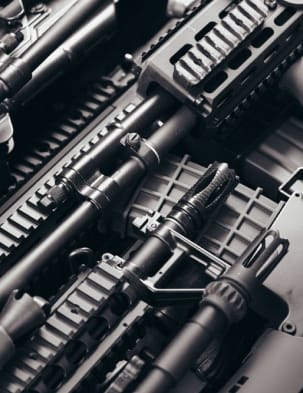
Milwaukee Precision Casting, Inc. specializes in components for the firearm and gun industries through the investment casting process, producing military components, commonly for AR-15, M16, M240, and M249.
Power Transmission
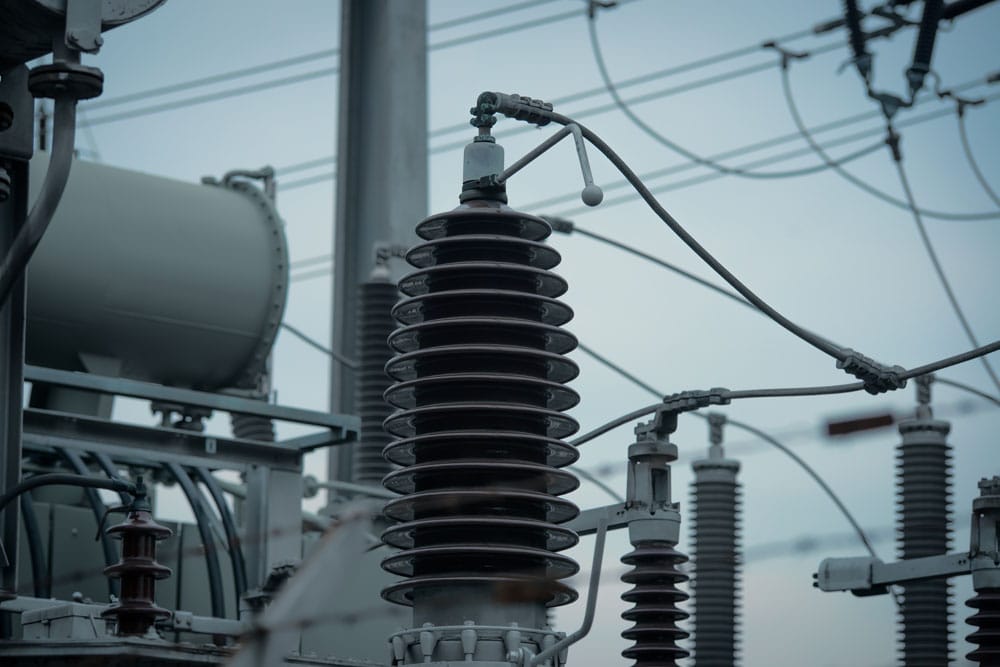
Milwaukee Precision Casting, Inc. (MPC) is proud to serve the industry in many areas, producing power transmission component castings that pass stringent requirements for high-voltage substation power switching and storage equipment.
Medical
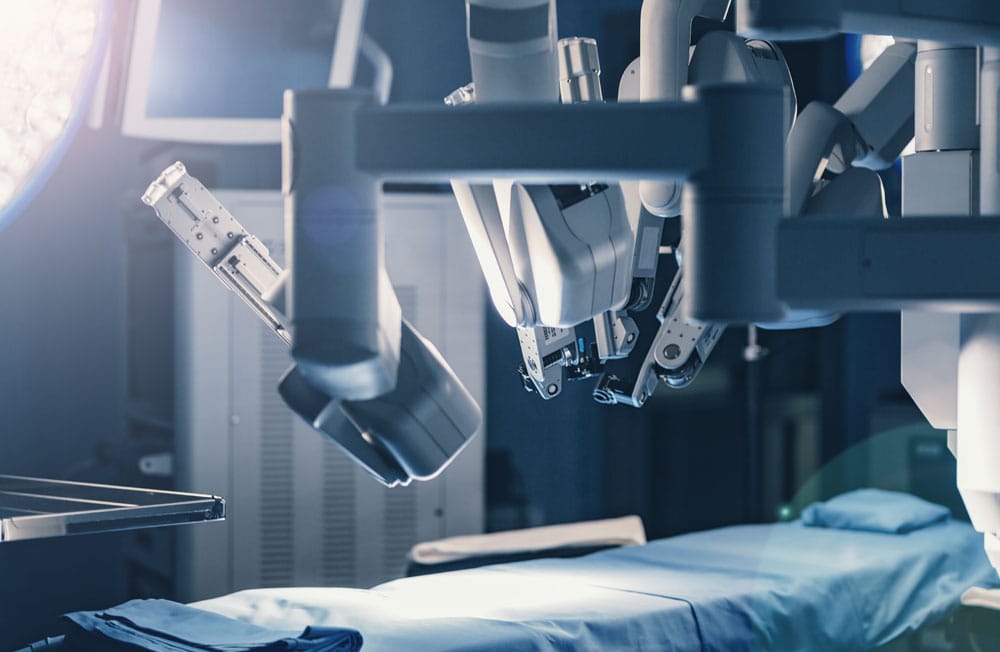
Investment castings used in medical-related applications require the highest degree of quality, cleanliness and surface finish.
Auto After Market
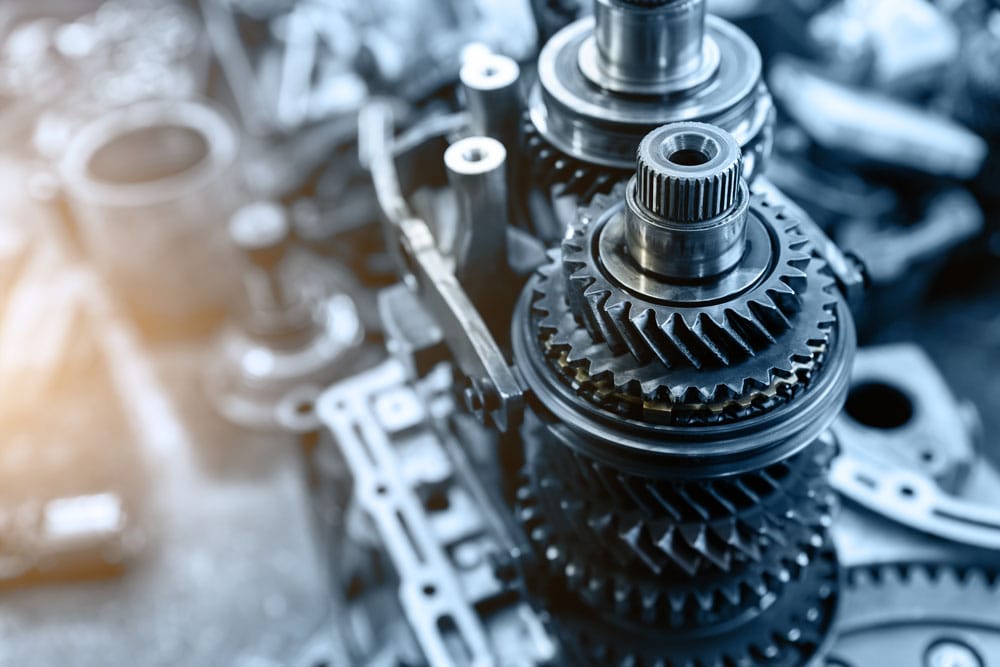
Milwaukee Precision Casting, Inc. has extensive exposure in the automotive aftermarket, the secondary market of the automotive industry. We specialize in the manufacturing of vehicle parts, tools, and accessories for light and heavy vehicles.
Food & Dairy
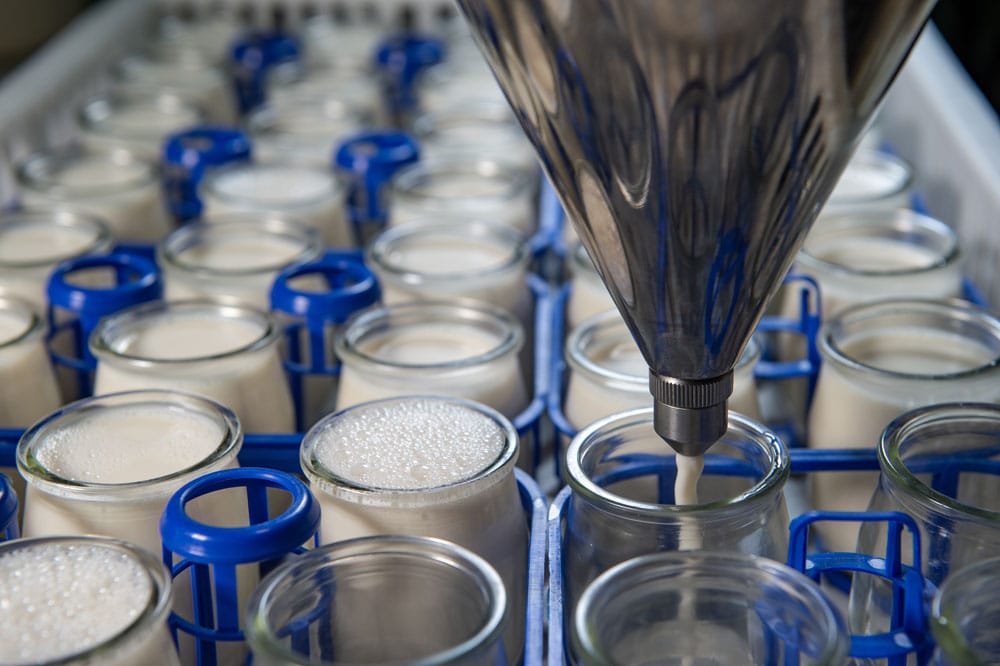
Milwaukee Precision Casting, Inc. plays a major role in the production of stainless steel investment castings used in the food & dairy industry.
Construction
Milwaukee Precision Casting, Inc. (MPC) produces construction component castings for tools and equipment used in the construction industry.
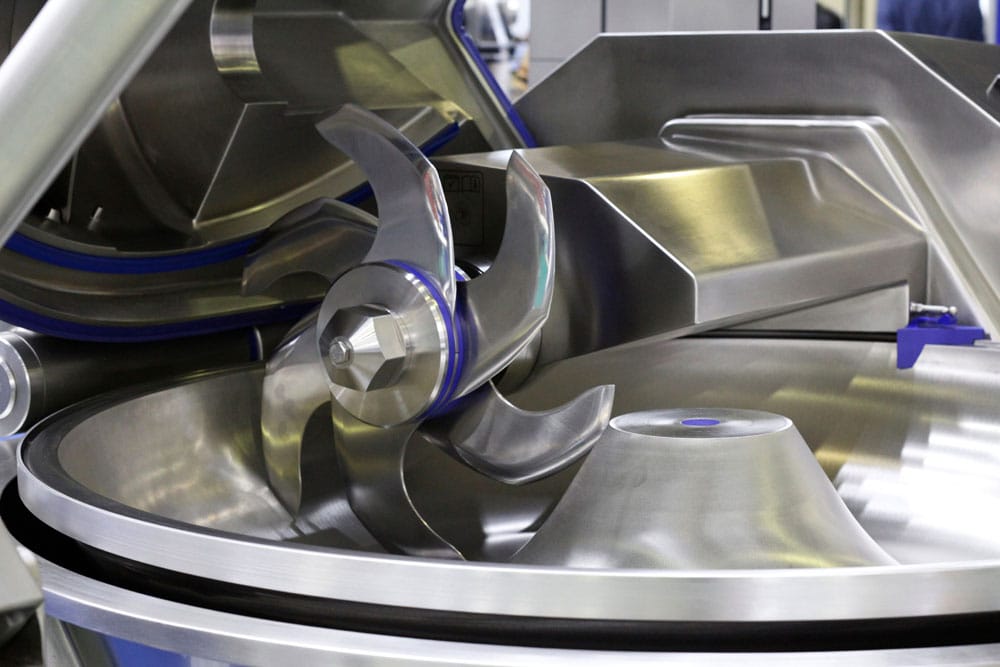
Meat Processing
Milwaukee Precision Casting, Inc. produces a wide array of standard and customized investment casting products for meat processing equipment, including meat grinder parts and special attachments for machinery.
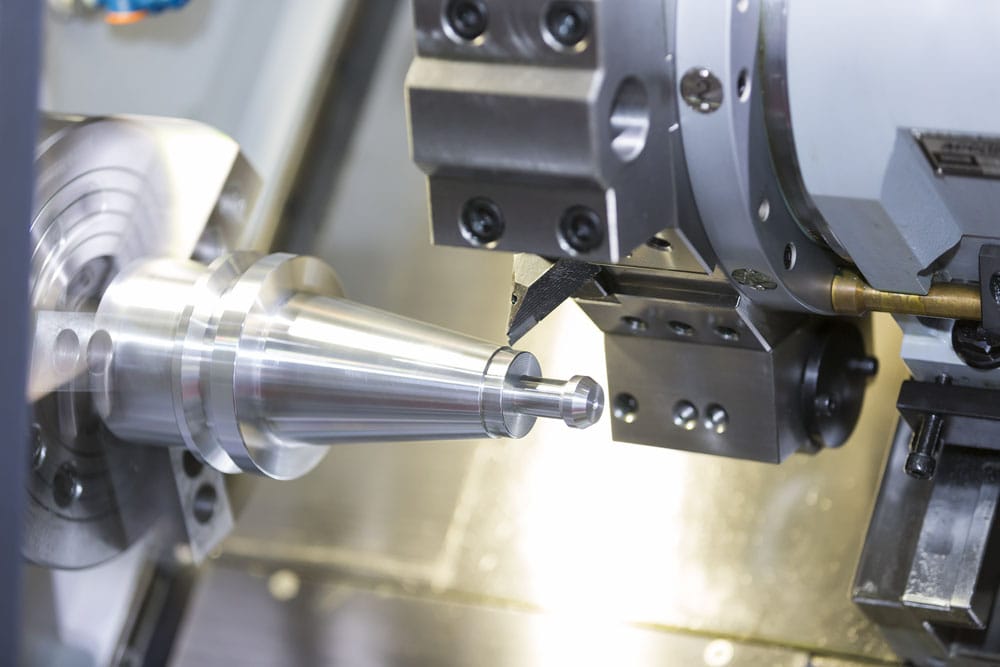
Machine Tool
Milwaukee Precision Casting, Inc. produces quality investment castings for a wide range of applications in the machine tool industry.
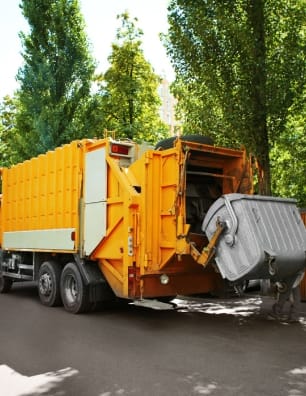
Waste Management
Milwaukee Precision Casting, Inc. produces a wide array of standard and customized investment casting products for wastewater treatment equipment.
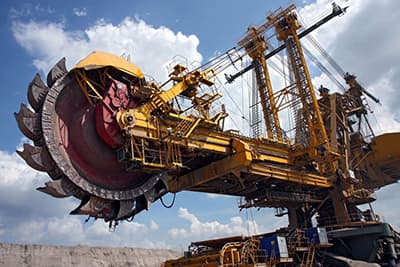
Mining
Milwaukee Precision Casting, Inc. has long supported the mining and earth-moving industry with mining investment castings built for tough, abrasive environments.
Logging
Milwaukee Precision Casting, Inc. produces a wide array of standard and customized investment casting solutions for the logging industry, including forestry equipment castings, heavy equipment castings, and off-highway machinery castings.

Oil & Gas
Investment castings used in the oil and gas industry must meet the highest standards of quality, durability, and corrosion resistance to withstand extreme operating conditions.Milwaukee Precision Casting produces stainless steel castings and A356 castings used in applications such as ramps, heavy-duty locks, flame and flow control, and even material removal fingers.
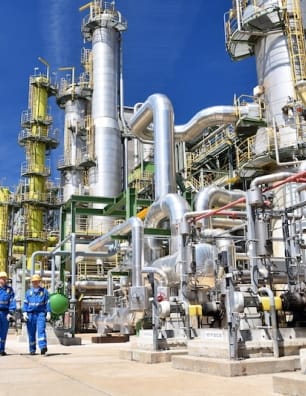
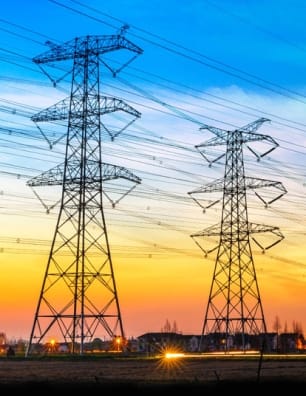
Utilities
Milwaukee Precision Casting, Inc. produces a wide array of standard and customized power generation investment castings for the utilities industry.
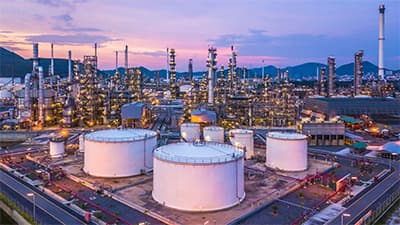
Agriculture
Agriculture equipment operates in tough, demanding environments, which is why investment castings have been a trusted solution in the industry for decades.

Petrochemical
At Milwaukee Precision Casting, Inc., we specialize in manufacturing high-performance investment castings for the petrochemical industry, where precision, durability, and safety are paramount.
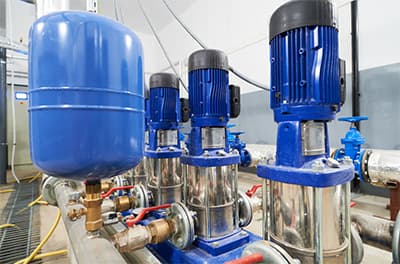
Pumps & Valves
Milwaukee Precision Castings produces near-net shape, high-quality, durable investment castings for pumps and valves.
Solar Energy Applications
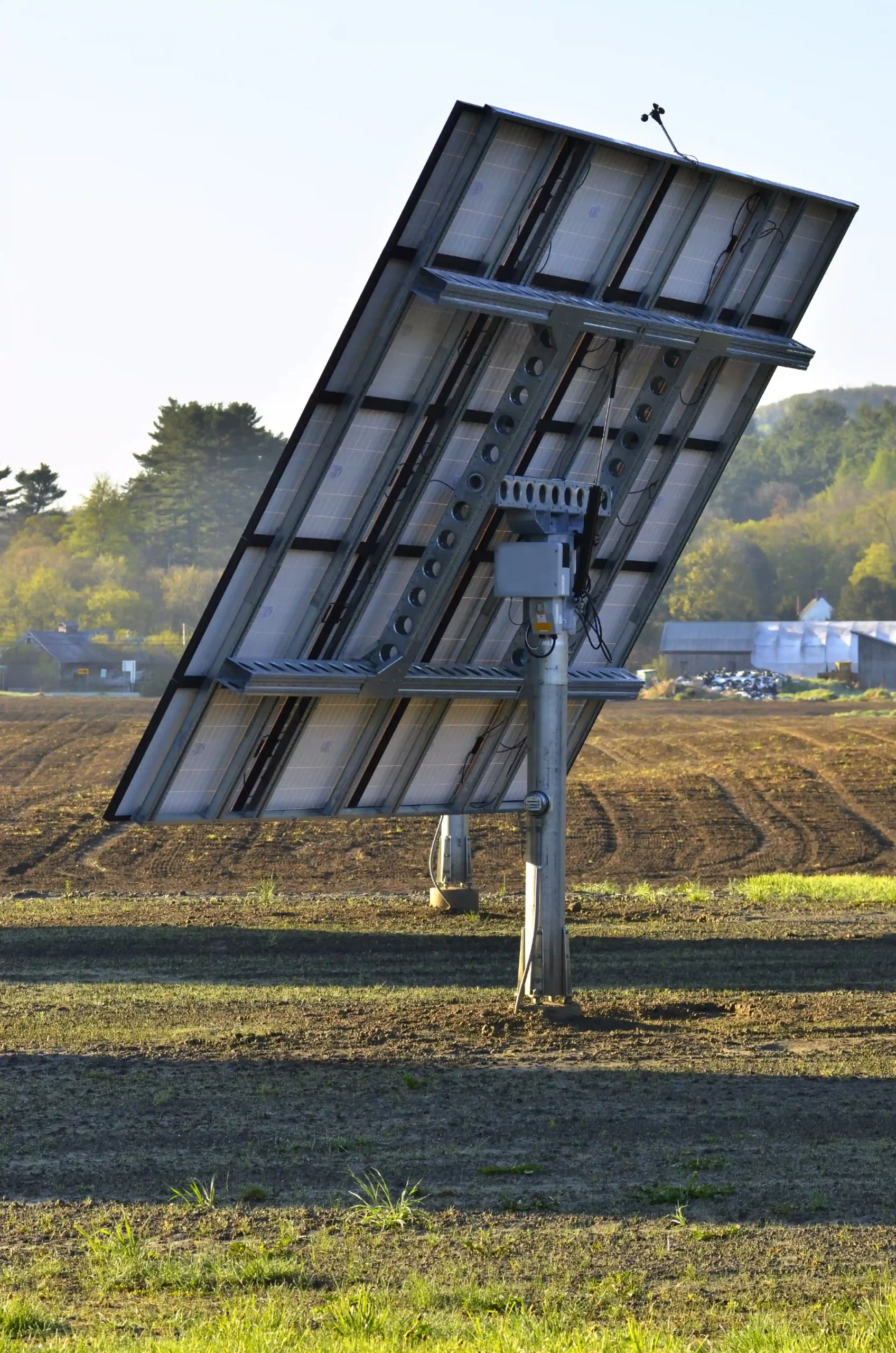
MPC produces investment castings for four primary application areas within the solar energy sector. Solar Tracker Components, Mounting System Hardware, Structural Connectors, Gearbox and Drive Components.
Data Centers
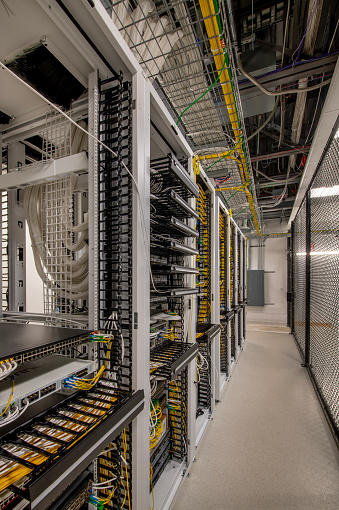
Milwaukee Precision Casting produces precision investment castings for data center applications, including power distribution components, busbar hardware, switchgear parts, electrical enclosure hardware, and cooling system components.
Real Projects. Proven Results.
Case Studies
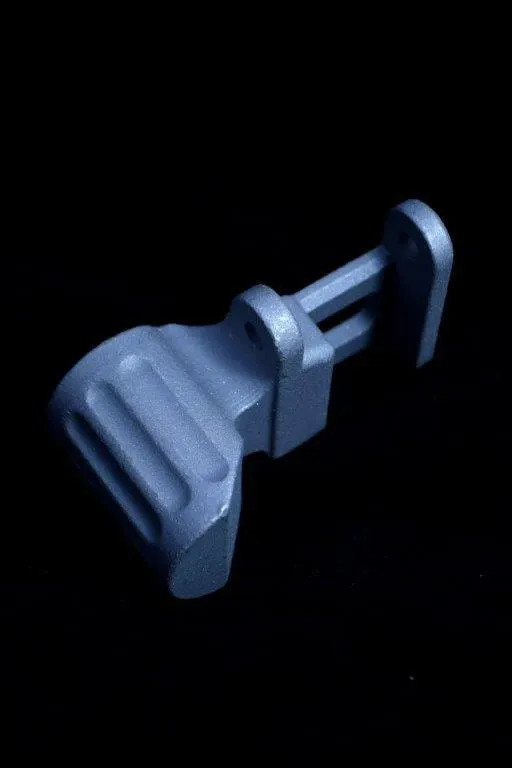
The customer has been making these parts for 30 years at high volumes, and their previous vendor’s tooling was worn. The customer was having to rework the casting 100 percent.
The customer was scrapping parts due to defects caused by the worn tooling. The tooling was also constructed many years ago and didn’t have any usable prints or models to develop new tooling.
Milwaukee Precision Casting created new 3D scans that created good castings. These 3D scans also created prints and CAD models to construct new tooling.
MPC used its resources to make prints and CAD models for the customer to approve. To verify the geometry prior to constructing the tool, MPC 3D printed wax patterns for the customer to check fit and function.
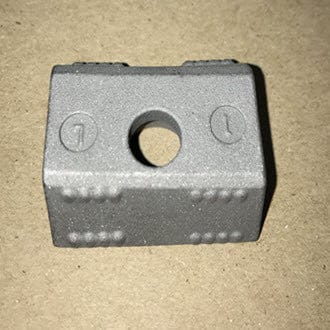
The customer designed a new product and tried sand casting and investment casting overseas. The customer had to do 100 percent X-ray on the castings and was scrapping 60 percent of the parts received overseas.
The customer was spending extra money having to do 100 percent X-ray and losing money on the overseas casting.
Milwaukee Precision Casting was able to change the casting design to pass the required X-ray criteria. This change did require some additional machining but was easily justified by eliminating the X-ray scrap.
MPC worked with the customer to develop a custom cast that passed X-ray criteria.
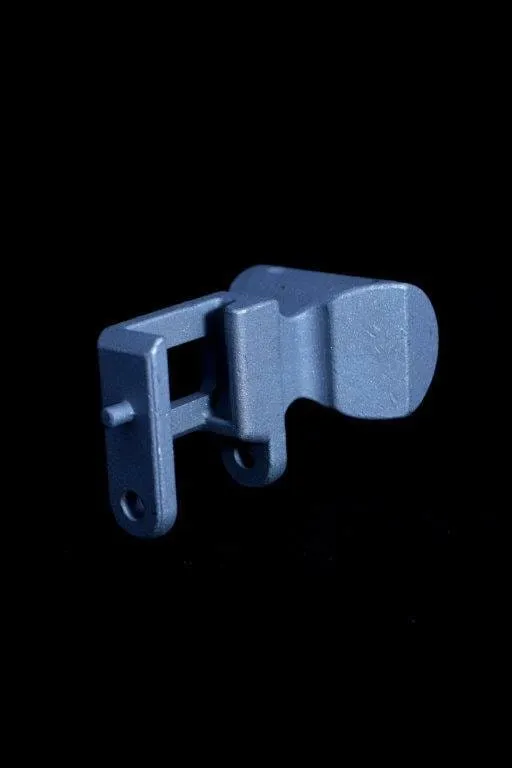
The customer was buying parts from overseas and was given a 26-42 week lead time.
The customer experienced a long lead time with a 16-week window to ship castings and was required to pay for them in advance.
Milwaukee Precision Casting wanted to bring this customer back to the U.S. and gave them a 6-7 week lead time with offer terms.
MPC made new tooling for this customer, and now we make investment castings for them.
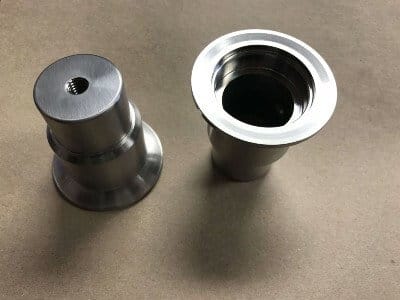
The customer was experiencing too high of volumes for their machine shop and needed a new cost-effective solution.
The customer’s volumes increased to a point where machining these parts from solid exceeded their machine shops capacity and needed to look for an alternative.
Milwaukee Precision Casting converted the part into a casting then the customer was able to machine completely. This minimized the amount of machining required and made it more economical for the customer.
MPC worked with the customer to develop casting and machining prints.
Frequently Asked Questions
Common Questions
Before Requesting
a Quote
What is investment casting?

What alloys can be investment cast?

What tolerances does investment casting hold?

How does investment casting compare to sand casting?
Are investment castings as strong as machined parts?
What parts are typically made through investment casting?
What secondary operations can be performed after casting?
What is the minimum and maximum part size MPC can cast?
Does MPC offer rapid prototypes?
Is investment casting environmentally responsible?
Benefits of Investment Casting
Why Choose Milwaukee
Precision Casting, Inc.?
Below are the key advantages you will experience from partnering
with MPC:
Get a Quote
Request a Precision
Casting Quote
We cast a broad range of alloys — from corrosion-resistant stainless grades to
high-strength tool steels — engineered for demanding industrial, defense, and
energy applications.

Fast RFQ Response
Typical quote turnaround within 1–2 business days
Engineering Support
DFM review and casting optimization included with every quote
Scalable Production
Prototype to high-volume production capability
Full Technical Consultation
Material selection, tolerance review, and process recommendations